
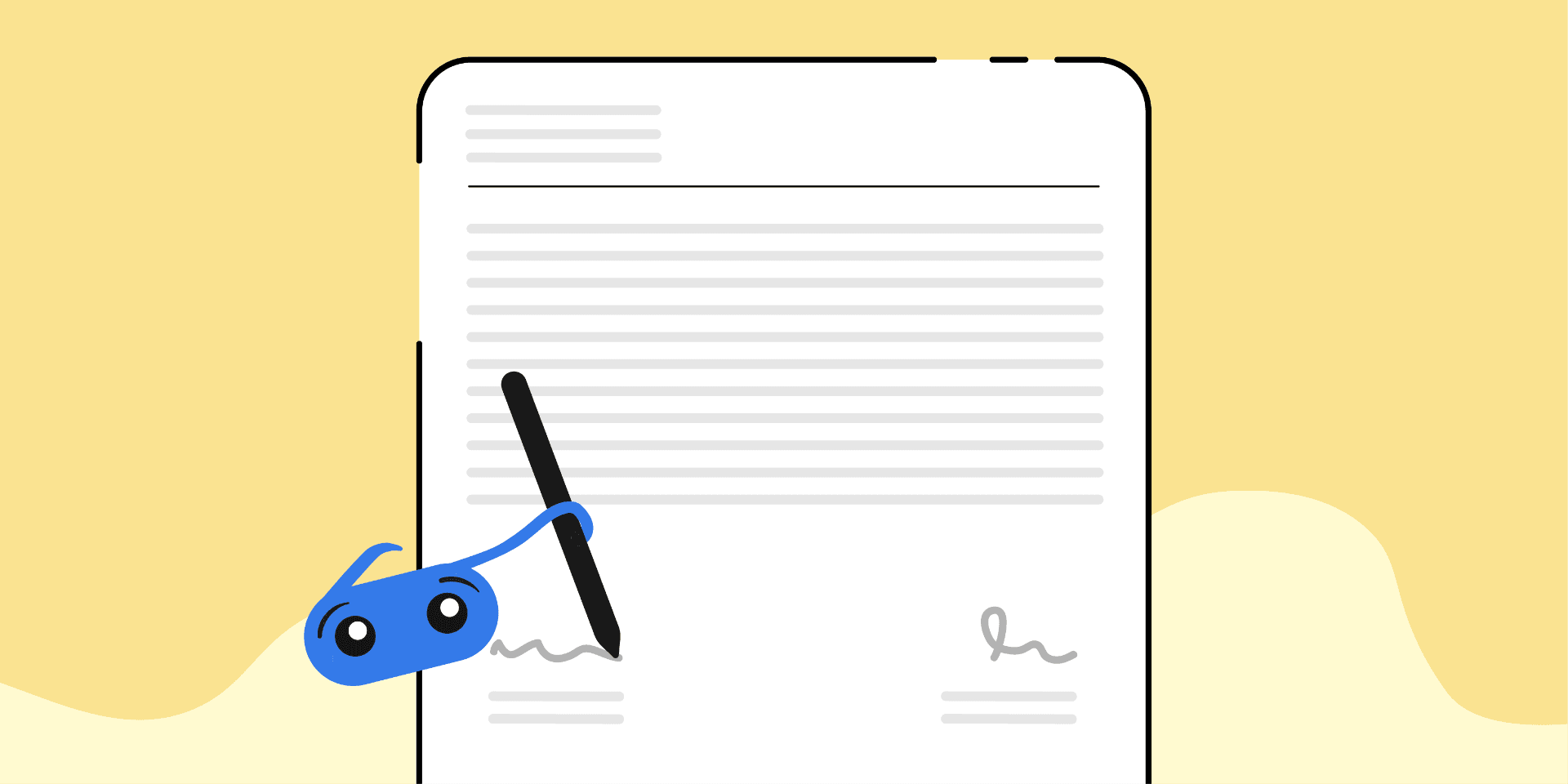
Legal Documents Every Startup Needs Before Launching: From NDAs to Founder Agreements
Launching a startup is an exciting journey filled with creativity, passion, and ambition. However, before you go live with your product or service, it's vital to ensure that your legal house is in order.
Legal Documents Every Startup Needs Before Launching: From NDAs to Founder Agreements
Launching a startup is an exciting journey filled with creativity, passion, and ambition. However, before you go live with your product or service, it's vital to ensure that your legal house is in order. Having the right legal documents in place from day one protects your interests, builds investor confidence, and creates a solid foundation for sustainable growth.
In this comprehensive guide, we'll explore the essential legal documents every UK startup should have before launching. From founder agreements that prevent internal disputes to NDAs that protect your intellectual property, these documents form the legal backbone of your business operations.
Why Legal Documents Matter Before Launch
Proper legal documentation isn't about over-complicating things—it's about setting up your business for long-term success. Well-crafted legal documents provide clarity, prevent disputes, protect intellectual property, and demonstrate professionalism to potential investors, partners, and clients.
Starting with solid legal foundations helps you avoid costly mistakes and gives you the confidence to focus on what you do best: building and growing your business.
Founder Agreement
A founder agreement sets out the roles, responsibilities, equity split, and expectations of each founder. This document is crucial for multi-founder startups as it establishes clear expectations and procedures for various scenarios that may arise.
- Why it's important: Avoid future disputes by defining ownership and responsibilities from the start.
- What it should include: Equity distribution, vesting schedules, roles and responsibilities, decision-making processes, exit clauses, and IP rights assignment.
Non-Disclosure Agreement (NDA)
NDAs protect your confidential information when sharing ideas with potential investors, partners, employees, or contractors. They create legal obligations for parties to keep your sensitive business information confidential.
- Why it's important: Safeguard your intellectual property and competitive advantages during discussions.
- What it should include: Definition of confidential information, obligations of receiving party, duration of confidentiality, and remedies for breach.
Articles of Association
The Articles of Association serve as the constitutional backbone of your company, governing how your business operates internally and defining the relationship between shareholders and directors.
- Why it's important: Defines how the company operates legally and provides the framework for corporate governance.
- What it should include: Share rights and restrictions, director appointment and removal procedures, decision-making processes, and dividend policies.
Shareholders' Agreement
A Shareholders' Agreement complements the Articles of Association and governs the relationship between shareholders, providing additional protections and procedures not covered in the Articles.
- Why it's important: Protects minority shareholders' interests and prevents internal disputes through clear procedures.
- What it should include: Voting rights, share transfer restrictions, dividend policy, board composition, and drag-along/tag-along rights.
Employment Contracts and Offer Letters
Employment contracts formalise your relationship with team members, establishing clear terms and conditions of employment while protecting both employer and employee rights.
- Why it's important: Protects both employer and employee by clearly defining rights, responsibilities, and expectations.
- What it should include: Job role and responsibilities, salary and benefits, working hours, holiday entitlement, notice periods, and termination clauses.
Consultancy and Freelancer Agreements
These agreements are essential for external contributors, clearly defining the scope of work, payment terms, and crucially, intellectual property ownership for work created by contractors.
- Why it's important: Prevents misunderstandings about scope and ensures your startup owns the intellectual property created.
- What it should include: Scope of work, payment terms, deliverables, confidentiality obligations, and comprehensive IP assignment clauses.
Privacy Policy and Cookie Policy
These policies are mandatory for UK-based businesses that collect personal data online, ensuring compliance with UK GDPR and building trust with your users.
- Why it's important: Legal compliance with data protection laws and builds trust with users about how their data is handled.
- What it should include: Types of data collected, how data is used, storage and security measures, user rights, and cookie usage details.
Intellectual Property Assignment Agreement
This agreement ensures that your startup owns all intellectual property created by employees, contractors, and consultants during their work for your company.
- Why it's important: Prevents IP disputes and provides reassurance to investors about clean IP ownership.
- What it should include: Comprehensive IP assignment terms, moral rights waivers, and ongoing cooperation obligations.
Website Terms and Conditions
Terms and conditions define how users can interact with your website or online platform, setting boundaries and limiting your liability for various issues.
- Why it's important: Limits liability and sets clear expectations for user behaviour and platform usage.
- What it should include: Acceptable use policies, intellectual property ownership, liability limitations, and dispute resolution procedures.
Cap Table and Share Certificates
A capitalisation table (cap table) records who owns what percentage of your company, while share certificates provide formal proof of ownership. Both are essential for transparency and fundraising.
- Why it's important: Essential for fundraising transparency and helps prevent ownership disputes.
- What it should include: All share classes, ownership percentages, vesting schedules, option pools, and historical equity changes.
Frequently Asked Questions (FAQ)
- Do I really need all these legal documents before launching?
Yes—early preparation helps avoid future risks and demonstrates professionalism to investors and partners. - Can I use free templates for my contracts?
Use templates with caution. While they provide a starting point, customisation with legal help is essential for your specific circumstances. - What's the difference between a founders' agreement and a shareholders' agreement?
A founders' agreement is specifically for co-founders, while a shareholders' agreement covers all shareholders and is broader in scope. - Is a privacy policy legally required?
Yes, if you collect any personal data from users, a privacy policy is mandatory under UK GDPR. - Who owns the IP created by freelancers?
Without a proper IP assignment agreement, freelancers typically retain ownership—which is why these agreements are crucial. - Do I need a solicitor to register my company?
No, but legal advice helps ensure proper setup and documentation from the start. - How do I protect my business idea before launch?
Use NDAs when discussing your idea and consider IP registrations like trademarks or patents where appropriate. - What's a vesting schedule?
A timeline for gradually earning equity, designed to retain founder and employee commitment over time. - Are cookie policies mandatory?
Yes, if your website uses any tracking technologies, cookies, or analytics tools. - What is a cap table?
A detailed record of who owns what percentage of your startup, essential for transparency and future fundraising.
Legal Readiness = Startup Confidence
Taking the time to prepare the right legal documents before launching your startup is one of the smartest investments you can make. These documents provide the legal framework that supports your business operations, protects your interests, and demonstrates professionalism to all stakeholders.
Ready to launch? Make sure your legal documents are in place, and start your startup journey on solid ground.
Get your legals in order
SuLe Hub is a registered trademark of SuLe Hub Limited.